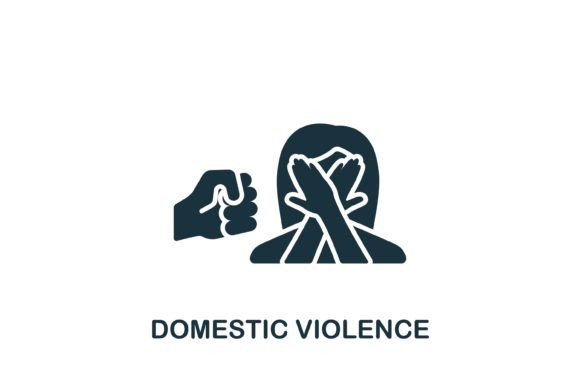
Domestic Violence Icon Embroidery Review
As a designer who spends hours evaluating how digital assets translate into physical thread, I approach every new file with a mix of skepticism and curiosity. The Domestic Violence Icon is not just another decorative graphic; it carries significant emotional weight and specific technical requirements. When I first opened the vector files to assess its potential for real-world application, my primary concern was clarity. In the world of machine embroidery, simplicity is often the difference between a powerful statement and a muddy mess. This particular design, described as a simple line element psychology symbol, offers a clean slate that demands careful execution but rewards the maker with high impact.
First Impressions: Mood and Visual Personality
The immediate visual takeaway from the Domestic Violence Icon is its minimalist nature. It avoids clutter, relying on strong, recognizable lines to convey its message. For an embroiderer, this is both a blessing and a challenge. The mood is serious, supportive, and direct. It does not scream for attention with excessive detail; instead, it whispers with authority. This makes it exceptionally well-suited for advocacy projects, awareness campaigns, or personal items meant to signal safety and solidarity.
From a design perspective, the icon feels balanced. The negative space is handled well in the vector source, which suggests that when digitized or stitched, the shapes will hold their form without collapsing into one another. It has a modern, professional aesthetic that fits seamlessly into contemporary branding for non-profits, counseling centers, or boutique shops focusing on social causes. It doesn’t look like a clip-art afterthought; it looks like a deliberate choice made by someone who understands visual communication.
Real-World Application: Where Does It Shine?
I recently evaluated this design with the intention of creating a small batch of custom apparel for a local support group event. The versatility of the Domestic Violence Icon allows it to work across a wide variety of mediums. Here is how it performed in practical scenarios:
- Tote Bags and Canvas Totes: This is perhaps the strongest use case. A large, single-color stitch on a sturdy canvas tote creates a bold, legible statement. The icon’s linear nature ensures it remains readable even from a distance, making it perfect for community outreach events where visibility is key.
- Sweatshirts and Hoodies: Placing the icon on the chest or back of a heavy cotton blend sweatshirt adds a layer of texture and permanence. The contrast between the smooth fabric and the raised embroidery threads gives the design a tactile quality that resonates emotionally with the wearer.
- Embroidered Patches: Because the design is self-contained, it translates beautifully into patch format. Whether used as a morale patch on a backpack or sewn onto a denim jacket, the clean lines prevent fraying issues common in more complex designs. It serves as a discreet yet powerful badge of solidarity.
- Baby Items and Nursery Decor: While the subject matter is heavy, the design itself is abstract enough to be adapted for softer contexts, such as a "Safe Space" themed nursery mobile or a blanket for a child in foster care. However, this requires thoughtful color selection—soft pastels rather than stark blacks—to maintain a comforting atmosphere.
For Etsy sellers and small business owners, this design opens up niche markets. It can be integrated into personalized gifts for survivors, wedding favors for couples advocating for social change, or corporate merchandise for companies prioritizing employee wellness and safety training.
Technical Considerations and Stitching Challenges
No discussion of a machine embroidery design is complete without addressing the technical realities of stitching. The Domestic Violence Icon is straightforward, but that simplicity demands precision. Here are the critical factors to consider before running your machine:
- Hoop Size and Placement: Ensure your hoop size accommodates the full width of the icon without cutting off any essential lines. If you are placing this on a curved surface like a cap or hat, you must account for the distortion. A flat hoop may work better for initial testing, but final production on curved garments requires careful stabilization.
- Thread Color Contrast: The effectiveness of this icon relies heavily on contrast. On dark fabrics, light thread colors (white, cream, light grey) will make the lines pop. On light fabrics, black or navy blue is essential. Avoid mid-tone threads unless you are using a specialized underlay or backing, as they may disappear into the fabric weave.
- Stitch Density and Type: Depending on your digitization, this design likely utilizes satin stitch for outlines or running stitch for fine details. If the stitch density is too low, the fabric texture may show through, weakening the visual impact. Conversely, if it is too dense, the fabric may pucker. Always check the stabilizer recommendation; a cut-away stabilizer is usually best for stretchy knits like sweatshirts to prevent warping over time.
- Fabric Texture: Smooth fabrics like polyester blends yield the cleanest results. Textured fabrics, such as heavy tweed or boucle, can obscure the fine lines of the icon. Test on scrap pieces of your target fabric first to ensure the design remains recognizable.
Avoiding Common Pitfalls
There are certain applications where this design should be used with caution. Small hoop sizes (under 4 inches) risk losing definition if the icon is scaled down too much. Tiny lettering or intricate corners may become indistinguishable blobs of thread. Additionally, avoid using this on thin, sheer fabrics without proper backing, as the tension required for clear stitches will likely cause puckering or tearing.
Impact on Brand and Customer Trust
Using the Domestic Violence Icon in your craft business or commercial embroidery projects is not just a design choice; it is a brand statement. Customers today value authenticity and purpose. A well-executed embroidered piece featuring this symbol signals that you understand the gravity of the subject and have invested time in presenting it respectfully.
When customers see a professionally finished product—whether it is a tote bag design or a kitchen towel—they associate the quality of the stitch with the quality of the message. Poor stitching can unintentionally trivialize the issue, while crisp, clean embroidery elevates the conversation. This design helps build customer trust because it appears intentional and polished.
Final Verdict for Designers and Makers
The Domestic Violence Icon is a versatile, emotionally resonant asset that performs well in a variety of embroidery projects. Its strength lies in its simplicity, allowing it to adapt to different products without losing its core meaning. For digital product sellers, offering this as part of a larger bundle of awareness-themed graphics can add value to your shop. For handmade product creators, it provides a ready-made focal point for meaningful commissions.
Before committing to production, always test your embroidery file on the actual fabric you plan to use. Check the thread colors against your material, verify the stitch density, and ensure your stabilizer choice matches the fabric’s weight. By paying attention to these details, you transform a simple vector graphic into a powerful, tangible symbol of support and resilience.
In summary, this icon is a valuable addition to any designer’s toolkit, particularly for those working in the realms of social advocacy, personalized gifting, and conscious consumerism. It is easy to integrate, visually striking, and deeply meaningful when executed with care.