Mental Health Icon Review for Embroidery Projects
As a designer who spends more time staring at stitch charts than sleeping, I approach every new digital asset with a healthy dose of skepticism. The market is flooded with generic clip art, but finding a design that translates well from a screen to thread requires a specific kind of visual intelligence. Recently, I pulled the Mental Health Icon into my workflow to see if it holds up under the microscope of real-world embroidery production. This isn't just about aesthetics; it is about functionality, clarity, and whether this piece can stand alone as a viable product in a saturated craft market.
First Impressions: Simplicity With Purpose
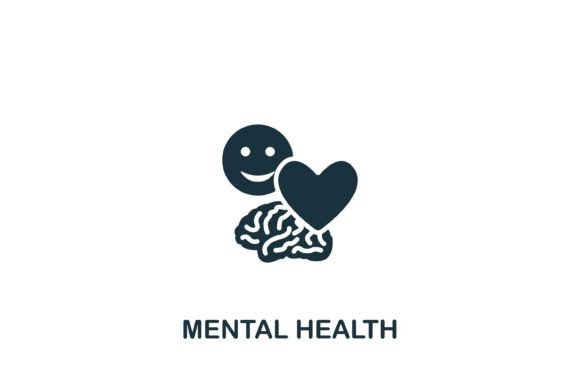
The Mental Health Icon presents itself as a simple line element, described as a quarantine symbol suitable for templates and infographics. At first glance, this might seem too minimal for the complex world of machine embroidery, where texture and dimension are king. However, simplicity is often the hardest thing to execute well. When stripped of unnecessary clutter, a design relies entirely on its shape and balance.
In terms of mood, the icon feels calm, intentional, and modern. It avoids the chaotic energy of overly detailed floral patterns or the dated look of traditional novelty patches. For a project centered on mental wellness, self-care, or mindfulness, this visual personality is spot-on. It communicates support without shouting. As an embroidery file, its clean lines suggest that it will stitch out with precision, provided the source vector is crisp—which it appears to be, given the availability of EPS, AI, and SVG formats.
Real-World Application: From Screen to Stitch
I put this design through its paces by imagining it on various substrates. The versatility of the Mental Health Icon makes it a strong candidate for several key categories:
- Custom Apparel & Sweatshirts: A small, centered chest placement on a heather grey sweatshirt creates a subtle, high-end boutique look. It works beautifully as a standalone statement piece, avoiding the need for accompanying text which often clutters simple designs.
- Baby Embroidery & Nursery Decor: Soft pastels paired with this gentle line art make for a sophisticated baby shower gift or nursery wall hanging. It fits the "quiet luxury" aesthetic that many modern parents seek.
- Tote Bag Design: On a canvas tote, this icon serves as a functional brand marker. It is recognizable from a distance and adds a layer of meaning to a utilitarian item.
- Embroidered Patches: Because the design is self-contained, it translates exceptionally well as an iron-on patch. It allows for creative border treatments, like a satin stitch outline, without losing its core identity.
For the Etsy seller or craft business owner, this design offers a low-risk entry into the wellness niche. It is not tied to a specific holiday, giving it year-round relevance. Whether you are creating personalized gifts or building a small shop product line focused on mental health awareness, this asset provides a professional foundation.
Visual Appeal and Product Value
One of the biggest challenges in selling handmade goods is establishing perceived value. A design that looks "cheap" on paper can still look expensive when stitched correctly, but only if the underlying geometry is sound. The Mental Health Icon has a balanced composition that reads clearly even when reduced in size. This clarity directly impacts customer trust; buyers associate sharp, clean stitching with quality craftsmanship. When a customer sees a perfectly executed simple line design, they assume the maker paid attention to detail, which elevates the entire handmade product.
Furthermore, its adaptability enhances brand consistency. If you are building a brand around mindfulness or community support, using a cohesive visual language across your website, social media, and physical products strengthens recognition. This digital embroidery file bridges that gap seamlessly, allowing you to use the same asset for printable mockups and actual production.
Technical Considerations for the Designer
While the graphic is strong, the translation to fabric introduces variables that no vector file can predict. Here is what you need to watch out for when digitizing or using this design.
Fabric and Hoop Constraints
This design should be used carefully on challenging surfaces. On textured fabrics like heavy waffle-knit towels or bouclé, the fine lines may get lost or distort. Similarly, on stretchy fabric without adequate stabilization, the tension can pull the simple lines out of shape. Always test on scrap fabric first to ensure the stitch density is appropriate for your material.
Avoid placing this design on curved surfaces like caps or hats unless you have a specialized hoop attachment. The linear nature of the icon means that any distortion from curvature will be immediately visible. Also, be mindful of dark fabric; if you plan to use white thread, ensure the contrast is high enough, or consider a contrasting thread color to maintain legibility.
Stitching Clarity and Detail
The description notes this is a "simple line element." In embroidery terms, this likely relies heavily on running stitch or narrow satin stitch paths. Ensure that the smallest details are large enough to be stitched cleanly. Tiny corners or thin intersections can lead to thread breaks or poor definition. If the original vector has jagged edges, smooth them out before digitizing. A clean curve is always preferable to a faceted line in embroidery.
When selecting thread colors, avoid colors that are too close in tone to the fabric. For example, light blue thread on a pale blue shirt will result in a faint, muddy appearance. High contrast ensures the finished product pops. Additionally, check the hoop size requirements. While this icon is likely compact, ensuring it fits comfortably within your standard hoops prevents unnecessary trimming and re-hooping.
Licensing and Commercial Use
Before listing this design on your Etsy listings or using it in client work, verify the licensing terms. The product description mentions it is easy to edit and includes multiple file formats, which is great for flexibility. However, owning the file does not always grant commercial rights for the finished embroidered items. Some designers restrict the number of units you can sell, while others require attribution. Always confirm whether this design assets package allows for commercial embroidery sales to protect your creative entrepreneur business.
Final Verdict
The Mental Health Icon is a thoughtful, versatile addition to any designer’s library. It succeeds because it respects the medium of embroidery by keeping its geometry clean and its message clear. It is not trying to be everything to everyone; it is a focused symbol that resonates with current cultural conversations.
For the apparel decorator or maker looking to add meaningful, minimalist pieces to their catalog, this design delivers. It performs best on stable fabrics, with proper stabilization, and in high-contrast thread combinations. By treating it with the respect a simple design deserves—paying close attention to tension, needle type, and stabilizer choice—you can create a finished product that feels both professionally crafted and deeply personal.
If you are ready to expand your offerings into the wellness sector, this Graphics category entry is a smart, low-cost investment with high potential for repeat customers. Just remember: the file is only as good as the execution. Test, refine, and stitch with confidence.