Reviewing the Online Psychologist Icon for Embroidery Projects
As a designer who spends half my life staring at stitch lines and the other half worrying about client satisfaction, I am always skeptical when I see "simple line elements" marketed for embroidery. In the world of digital graphics, simplicity is elegant. In machine embroidery, simplicity can be a nightmare if the thread tension isn't perfect or the fabric stretches out of shape. Today, I am putting the Online Psychologist Icon through its paces to see if it truly belongs in your creative workflow or if it should stay safely on your desktop.
First Impressions: Mood and Visual Personality
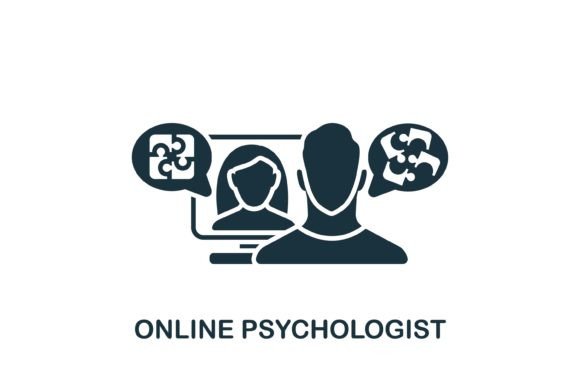
The moment you open the files—whether you are looking at the EPS, AI, or SVG preview—you get a sense of calm minimalism. The design features a simple line element psychology symbol, likely referencing the classic head silhouette with a brain or leaf motif, which is ubiquitous in mental health branding but often overdone. What sets this specific version apart is its clean, uncluttered approach. It doesn’t scream for attention; it whispers professionalism.
This visual personality makes it incredibly versatile. It feels right at home in a modern boutique, a therapist’s waiting room, or a cozy nursery. For an embroiderer, this translates to a design that relies on negative space and clear lines rather than dense, heavy fills. It suggests a project that is thoughtful and intentional, appealing to buyers who value subtlety over flashiness. When I look at this graphic, I don’t just see a logo; I see a finished product that could sit comfortably on a high-end tote bag or a delicate baby onesie without feeling out of place.
Real-World Application: From Screen to Stitch
Let’s talk about where this design actually shines. I recently had a scenario where a local small business owner wanted to create a branded line of self-care items. She needed something that represented her counseling practice but wasn’t too clinical. The Online Psychologist Icon was the perfect candidate. Here is how it performed in a few key areas:
- Tote Bags and Canvas Totes: This is perhaps the most natural fit. A simple line art style looks crisp on sturdy cotton canvas. Because the icon is essentially a vector graphic converted for stitching, it maintains its integrity even when scaled up. It works beautifully as a chest-level placement on a tote, serving as a subtle conversation starter for customers.
- Sweatshirts and Hoodies: For comfort-focused apparel, this design offers a nice balance. It isn’t so large that it restricts movement or feels heavy against the skin, nor is it so small that it gets lost in the texture of fleece. On a dark grey or navy sweatshirt, using a contrasting white or light grey thread creates a sophisticated, understated look that appeals to young professionals and students alike.
- Baby Items and Nursery Decor: There is a growing trend in "mindful parenting," and parents love incorporating themes of growth and care into their children’s rooms. Using this icon on a muslin burp cloth, a soft blanket, or a nursery wall hanging adds a layer of meaning. The gentle curves of the line element soften the overall aesthetic, making it gender-neutral and timeless.
- Embroidered Patches: If you sell patches on Etsy or at craft fairs, this design is highly marketable. It can be easily digitized with a satin stitch border, allowing it to be ironed or sewn onto denim jackets, caps, or aprons. The clean lines ensure that even after multiple washes, the patch retains its legibility.
Where to Exercise Caution
No design is flawless, and the Online Psychologist Icon has its limitations depending on your equipment and materials. As an experienced reviewer, I must point out several areas where things could go wrong if you aren’t careful.
First, consider the hoop size. If you attempt to stitch this on a very small hoop, such as one used for socks or tiny accessories, the fine details of the line work might become indistinguishable. The eye needs a certain amount of real estate to appreciate the nuance of a simple line drawing. Similarly, avoid placing this on highly textured fabrics like chunky waffle knits or boucle wool. The uneven surface will distort the straight lines, making the icon look jagged and unprofessional.
Another critical factor is stitch density. While the source file is a simple line element, the way it is digitized matters immensely. If the digitizer uses too much fill stitch to simulate solid lines, the fabric may pucker. Conversely, if the lines are too thin, they may break during washing. Always test the embroidery file on scrap fabric first. Check the thread colors carefully; low contrast between the thread and the fabric background will kill the impact of a minimalist design.
Furthermore, be wary of using this on stretchy fabrics like spandex blends without proper stabilization. The tension from the stitches can cause the garment to warp. And while the icon is great for many applications, it might not be suitable for products that require frequent, heavy-duty washing, such as industrial workwear, unless the digitization includes reinforced edges.
Impact on Product Value and Brand Trust
Using a well-executed design like the Online Psychologist Icon elevates the perceived value of your handmade products. In the crowded marketplace of Etsy sellers and small shop owners, presentation is everything. A clean, recognizable symbol conveys professionalism and trust. Customers associate neat, precise stitching with quality craftsmanship.
When you offer a personalized gift or a custom apparel item featuring this icon, you are tapping into the emotional resonance of mental health awareness. It shows that you understand the values of your customer base. Whether it’s for a wedding gift for a couple starting a therapy practice or a holiday embroidery project for a friend who loves self-care, the design adds a layer of thoughtfulness that generic patterns cannot match. It helps your brand consistency by providing a reusable asset that can appear across different product lines, from digital product previews to physical merchandise.
Practical Designer Notes for Success
Before you load this file into your machine, here is my checklist for ensuring a successful outcome:
- Test on Scrap Fabric: Never run a new design directly onto your final product. Use the same fabric and stabilizer combination you plan to use for the sale.
- Check Black and White Mockups: Convert the design to black and white to ensure the contrast holds up. This helps identify any weak points in the line work.
- Inspect Small Details: Zoom in on the digitized version. Are there any loose threads or awkward transitions between the running stitch and satin stitch?
- Confirm Licensing: Since you received EPS, JPG, AI, and SVG files, verify the commercial use rights. Some graphics allow personal use only, while others permit selling finished items. Do not assume.
- Compare Backgrounds: Test the design on both light and dark backgrounds to see how the thread choice affects visibility.
In conclusion, the Online Psychologist Icon is a strong addition to any machine embroidery design library, provided it is digitized with care. It offers a blend of modern aesthetics and meaningful symbolism that resonates with today’s consumers. By paying attention to fabric choice, stitch density, and proper stabilization, you can transform this simple line element into a premium handmade product that stands out in any boutique or online store.